
What Top 250 High-Achievers Can Teach Us About Goal Setting, Motivating Teams, and Workplace Culture.
We can learn a lot about goal-setting and workplace performance from the high-achievers around us, whether they’re our own employees, our leaders, or outside influences. That’s why I was excited to interview David Hyner, who interviewed 250 high achievers to discover how they set goals, how they achieved their goals, and what their goal-setting practices can teach us about leading teams and building a stronger, high-achieving workplace culture.
Workplace Goal-Setting Lessons from Top Achievers
Hey, everyone. Michael Kerr here with another five minutes with. In this case, I am with all the way from across the pond, David Hyner, who has interviewed 250 high achievers on goal setting. So David, what is your central message? What have you learned from these high achievers about goal setting? What is their secret to effective goal setting?
David: Thanks for asking, Michael. The biggest single thing I learned about goal setting from 250 men and women all over the world who have achieved at the highest level is that they don’t set smart goals. Not one of them in the answer have ever used the words realistic or achievable in their answer. They set massive goals!
Michael: Do they set stupid goals? David, then, if they don’t set smart goals or what do they do?
David: They set massive, ludicrous, enormous, crazy goals, but with realistic and achievable steps to the goal.
Michael: Oh, I love that. I love that. So they think beyond probably to the point where their friends and family are going, “Are you crazy?”
David: Yeah. There’s a British comedian called Eddie Izard who says, “You want to set the kind of goals where your family makes cow noises at you?” And they go moooooo.
Michael: Well, my family makes cow noises to me all the time for a variety of reasons. I didn’t realize that was another reason I could add to the list. So, tell me more about this. Talk more about this. What do they do to bring those goals to life then?
David: Well, Michael, that’s an intelligent question because it’s not just about setting a goal. It’s how they think and behave when they’re working towards the goal. So very effective people tend to do two things that most of us tend to run away from. They seek support and they seek accountability.
Michael: Okay. Nice.
David: I don’t know what it’s like in the States or Canada, but in the UK, we’re kind of arrogant and we don’t like to think that we need help. We don’t like to ask for support. Top achievers run towards it because they know they don’t know everything. And most people are terrified of being held accountable. Top achievers seek accountability. So it’s important to get either a mentor at the very highest level to hold you accountable and seek support or to get a peer group, we call them mastermind groups, to make sure you get that support and accountability in need.
Michael: I love those reminders, like asking for help, seeking support and having an accountability group. And both of these things, I would imagine, David, require an ego check. We have to set our ego aside and be a little vulnerable.
David: And again, that’s a very astute observation because so many of the really top-achieving people I’ve interviewed, they tend to be very normal, nice people. They don’t tend to be like the people a couple of rungs down the ladder who are so ego driven. There’s a great saying that I’m using at the moment, which is they’re not seeking approval and likes. They’re seeking trust and respect.
Michael: Oh, nice. I like that.
David: And that changes our behaviors.
Michael: So what about in a workplace context now, David? How does this apply within a workplace?
David: Personal effectiveness. I mean, the goal setting model we learned from them increases productivity by over 26.5% when it’s used. And one of the biggest things that anyone, any one of us can do is get your to-do list, prioritize the list, and do the hardest things first. And that increases your productivity, output, effectiveness, even your attitude by about a third of 1% a day. And if you do that, the compounded effectiveness over a year is compounded. It’s massive. But most people won’t give that five to 10 minutes a day to do what I call “eat the sprout on their to-do list.” They’re too busy crossing off things they’ve already done just to make themselves feel good.
Michael: Get the little dopamine hit. Hey, I know I’m responsible. I am totally guilty of this, of doing the easy stuff first because it feels like you’re getting a lot done, right? You’re knocking off this stuff. I put my socks on. Yes. I’m rocking it!
David: Or write something on the list you’ve already done just to cross it.
Michael: I do that because it feels good, right? Yeah. I did this. Previous Mikey did this. This feels awesome. So we’re coming down to 30 seconds here. Do you have one last big tip to help people achieve these massive goals?
David: Well, I’m going to be greedy and do two quick ones. Number one, your teams do not lack motivation. They are currently lacking confidence. You give them certainty, empathy, and visibility as a leader, your teams will engage. And if you personally want more adventures in your life, you’re not going to find them sitting in your armchair. Go on an adventure.
Michael: Yes! A great reminder. Go on an adventure, everybody! Thank you so much, David!
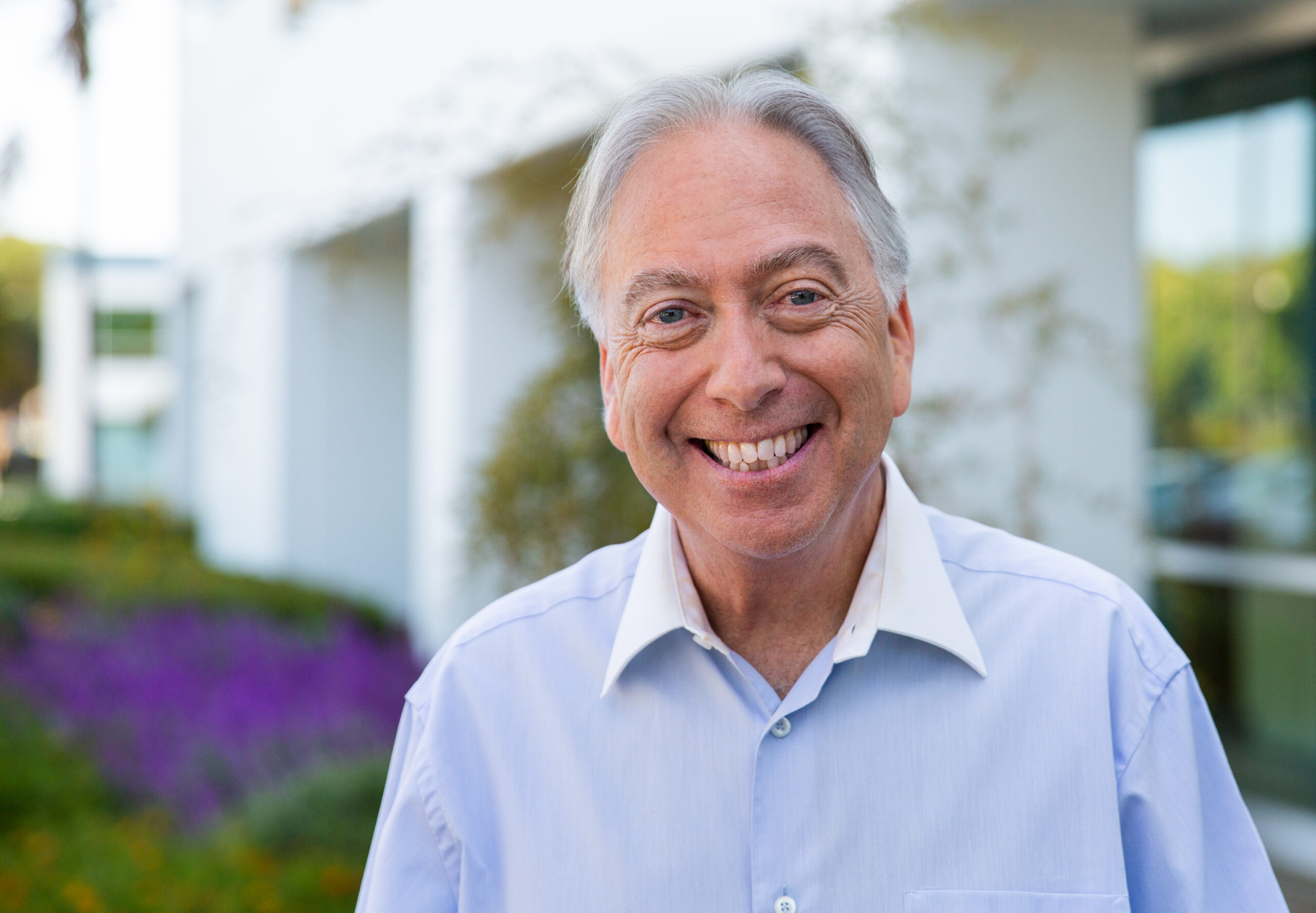 Michael Kerr, known as “The Workplace Energizer” is a Canadian Hall of Fame speaker on workplace culture, culture leadership, and humor in the workplace. He has been recognized as one of the most entertaining and thought-provoking keynote speakers in Canada. Michael is the author of 9 books, including most recently, “Small Moments, Big Outcomes: How Leaders Create Cultures That Fuel Extraordinary Results”
“Many of the head office staff thought you were the best keynote speaker we’ve ever had!” Tanya Dusyk, Territory Manager, Shell Canada